Tel: +86-21-60530355
Mobile: +8615214379688
E-mail: sales@beallindustry.com
Address: No.1088 XinJinQiao Road, PuDong, Shanghai, China


Company Profile
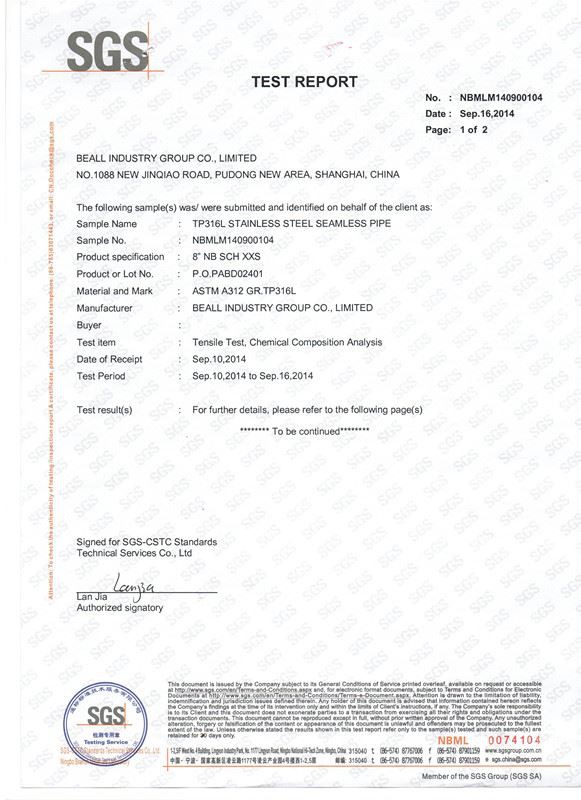
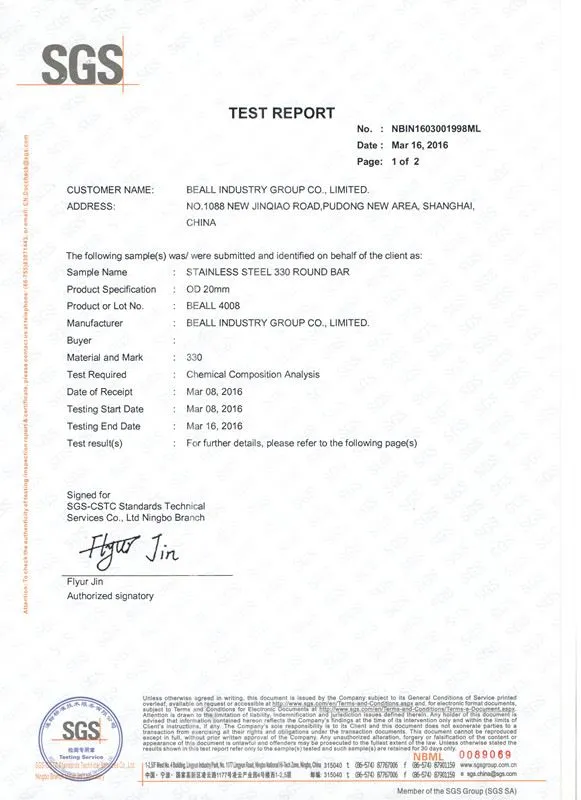
Beall Industry Group Co.,Limited is the leading manufacturer and supplier of stainless steel, duplex stainless and super nickle alloy materials with more than 25 years experience of supplying to a great variety of end users from different fields. Beall Industry Group, establlished in 1992, now covers a total landing area 520,000 square meters and nearly 500 employees.
Rich experience
We are the leading manufacturer and supplier of stainless steel and super nickle alloy materials with more than 25 years experience of supplying to a great variety of end users from different fields.
Advanced equipment
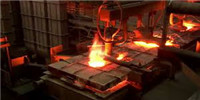
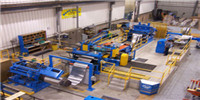
Now the production plants of company covers 4 production lines of smelting, with well equiped processing platforms including shearing, cutting, surface finishing, forming, welding and maching.
Good service
With close collaboration between our experienced production, processing and professional international sales team, company promises customers reliable quality, on time delivery, professional service before and after sales.
Competitive price
Company does its best to help customers save cost, enhance competitiveness, make profit.
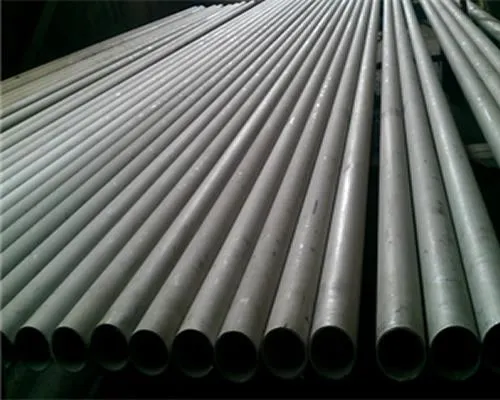
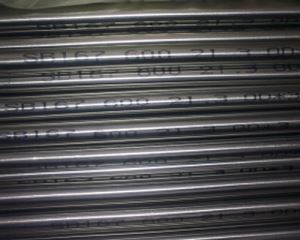
Inconel is a nickel-chromium-based superalloy often utilized in extreme environments where components are subjected to high temperature, pressure or mechanical loads. Inconel alloys are oxidation- and corrosion-resistant. When heated, Inconel forms a thick, stable, passivating oxide layer protecting the surface from further attack. Inconel retains strength over a wide temperature range, attractive for high-temperature applications where aluminum and steel would succumb to creep as a result of thermally-induced crystal vacancies. Inconel's high-temperature strength is developed by solid solution strengthening or precipitation hardening, depending on the alloy.
Inconel tubes’ most significant advantage is their unmatched corrosion resistance. Inconel is one of the few materials that can withstand extreme corrosion caused by harsh environments, such as acidic solutions, seawater, and high-temperature steam. Due to its high corrosion resistance, inconel tubes are commonly used in marine engineering, oil refineries, chemical plants, and other applications exposed to corrosive elements. Inconel tubes are also resistant to high-pressure hydrogen and chloride-induced stress corrosion, making them ideal for nuclear reactors and other high-pressure applications.
Another critical factor that makes inconel tubes an excellent choice in construction is their ability to withstand extreme heat. Inconel tubes are highly resistant to oxidation, which is the process of metal deterioration due to exposure to oxygen at high temperatures. This characteristic makes them ideal for high-temperature steam lines, furnace hardware, heat exchangers, and aerospace applications. Inconel alloy can also operate at high temperatures without suffering from mechanical distortion and cracking, making it an ideal solution for the aviation industry.
Inconel tubes offer excellent strength and durability, surpassing traditional materials such as steel or aluminium. The alloy’s excellent tensile strength and hardness make it ideal for use in tough mechanical applications that require good resistance to wear and tear. Inconel tubes can withstand high-pressure levels and prevent warping and buckling under extreme pressure, making them a perfect material for use in pressure vessels, valves, and other applications in the oil and gas industry.
Inconel tube has many applications, including aerospace, automotive, medical, and chemical industries. Its versatility makes it a popular choice for many construction and infrastructure projects, where the material’s unique properties provide unmatched functionality and security. The alloy’s resistance to wear and tear, corrosion, and high temperatures makes it the ideal material for critical applications such as heat exchangers, pressure vessels, and tubing.
Although Inconel alloys may be more expensive than traditional materials, their long-lasting durability and resistance to harsh conditions make them a cost-effective investment in the long run. Inconel tubes’ low maintenance costs and a longer lifespan than other materials make them a cost-effective solution for various construction and infrastructure projects, from high-pressure pipelines to chemical plant reactors.
Inconel 600
This is the original alloy. It is heat- and corrosion-resistant, noted for elevated temperature corrosion/oxidation resistance, good hot and cold processing characteristics, good low-temperature strength, and both hot/cold fatigue properties. It offers high strength under 650 °C, and it’s suitable for chemical-plant components.
Inconel 601
This alloy has excellent oxidation resistance at elevated temperatures and high resistance to carburization. It is good for high-temperature organic-chemical plants. It resists oxidation from sulfur atmospheres and has good mechanical properties at room temperature and high temperature. It also has great stress corrosion crack resistance because of the low carbon content and fine grain structure. It has particularly good creep strength at elevated temperatures (above 500 °C, at which other alloys can fail). 601GC is the grain-controlled version of the alloy, offering some enhancement of properties over 601.
Inconel 625
This alloy offers better corrosion resistance than 600 and 601. It has better performance in retaining strength and resisting creep from low temperatures up to a maximum service temperature of 980 °C
Inconel 718
This alloy is suited to precipitation hardening. It offers good strength and toughness up to 650 °C and good general corrosion/oxidation resistance at all service temperatures. It is formulated for solution treatment or precipitation hardening.
Inconel X-750
This alloy offers elevated corrosion resistance and oxidation resistance, as well as good strength below 980 °C. In addition, Inconel X-750 has good low-temperature performance and molding performance. It is mainly used for aerospace and industrial gas turbine components.
Inconel 690
This alloy offers greater resistance to chloride corrosion (e.g., salt water), high temperature/pressure water stress corrosion, strong oxidation environments, and fluorinated atmosphere attack. It is mainly applied in nitric acid environments, steam generators, and nuclear waste treatment plants.
Inconel 792
This alloy has an elevated aluminum content which improves the high-temperature corrosion resistance. It is best suited to gas turbine blades and combustion chamber parts for chemical rockets.
Inconel 903
Inconel 903 is part of a family of alloys that are known for their resistance to corrosion caused by a wide range of stresses in a variety of settings. Many Inconel alloys can remain effective in high temperature and aqueous atmospheres. Most are resistant to multiple acids, as well, so they are used regularly in the petrochemical industry.
Aerospace and jet engines
Nickel alloys are a natural choice within the aerospace industry. Engine parts, in particular, are exposed to high temperatures and high pressure. Materials need to be able to withstand this environment and retain their strength and integrity. Nickel alloys exhibit low expansion at these high temperatures, offer creep resistance under high-stress conditions, and are corrosion resistant.
Inconel alloy 600, for example, is used for jet engine and airframe components, such as lockwire, exhaust liners and turbine seals. While inconel alloy 601 has such high mechanical strength and is so easy to work with, making it useful across a broad range of aerospace applications.
Oil and gas extraction
One of the key industrial applications for inconel alloys is in oil and gas extraction. There are many factors to consider in this sector for design engineers when it comes to material selection. Temperatures can be very high and the raw substances being processed or stored are volatile and corrosive.
Superalloys such as inconel alloy 625 are utilised for the separation of extracted fluids in the processing systems for liquefied natural gas production. This material offers outstanding fatigue and thermal-fatigue strength, as well as good oxidation resistance, high tensile, creep and rupture strength, and excellent weldability. It’s often employed to line steel transfer piping in sour gas and gas extraction equipment.
Pollution control and waste processing
Pollution control and waste processing are difficult environments where materials need to work hard. There are naturally hazardous and corrosive substances that need to be stored, moved and processed. The alloys used in waste-processing systems must therefore have excellent resistance to both oxidising and reducing acid solutions, as well as resistance to the high temperatures involved in operations without losing structural integrity or strength.
One useful alloy in this area is inconel c-276, which has excellent corrosion resistance in these kinds of environments. It has a high amount of molybdenum present (15-17%), which gives this alloy particular resistance to pitting and crevice corrosion. It also maintains a low carbon content, which minimises carbide precipitation during welding to ensure it keeps its corrosion resistance in as-welded structures.
Automotive
Car engines are delicate beasts. They generate a lot of heat, but need to be reliable and lightweight. As the car industry evolves, engineers are continually sourcing materials that can keep up with the technological advancements and drive to deliver the ‘next big thing’ in cars. As well as more power and greater thrust, car engines also need to be fuel-efficient and control pollution levels – it’s no mean feat to balance all these requirements.
The right materials, therefore, are essential. This is another area where inconel alloy 625 comes in useful, such a versatile material that it is. High-performance cars and supercars often use this nickel alloy for exhaust couplings, for example. Inconel alloys are also used in the ignition systems, sensors, safety devices and electrical switch gear.
Marine industry
There are a number of seawater applications of inconel alloys. On offshore platforms, for example, or in the power and processing plants that use seawater as a coolant. Seawater systems are highly corrosive environments and yet it is essential to use materials that will not degrade under these conditions.
Inconel alloys perform well in such extreme situations. For example, the old favourite inconel alloy 625 is used in wire rope, propeller blades, propulsion motors and sheathing for undersea communication cables. Other uses for the inconel alloy range include down-hole equipment, platform risers, hangers and high-strength fasteners.
Material of Inconel Alloy
Nickel
Nickel is the primary component in inconel alloys, typically making up around 50% or more of the alloy's composition. Nickel is known for its exceptional corrosion resistance, high-temperature strength and outstanding mechanical properties. This forms the foundation of inconel's robustness in harsh environments.
Chromium
Chromium is another vital element in inconel alloys, contributing around 20-30% of the composition. It plays a pivotal role in enhancing corrosion resistance, particularly in oxidising and high-temperature environments. The chromium content forms a protective oxide layer on the alloy's surface, shielding it from corrosive attack.
Iron
Iron, while a minor component in comparison to nickel and chromium, adds structural stability and strength to inconel alloys. It helps maintain the alloy's mechanical integrity, even at elevated temperatures.
Molybdenum and other alloying elements
In addition to the primary elements, inconel alloys may contain various alloying elements like molybdenum, niobium, and tantalum, depending on the specific grade. These additions impart unique properties to different inconel alloys.
●Molybdenum Enhances resistance to pitting and crevice corrosion, making it invaluable in aggressive environments.
●Niobium Strong> stabilises the alloy against sensitisation during welding, preventing intergranular attack.
●Tantalum Strong> with its high melting point and corrosion resistance, contributes to the alloy's overall stability and durability.
As durable as Inconel material is under pressure, if you’re working with gas turbines or internal combustion engines, you might also consider a Nimonic alloy.
Like Inconel, Nimonic is a nickel superalloy discovered through materials science that resists heat and corrosion. Both compounds are popular across many industries that require great performance under extreme conditions. However, there are some key differences, including:
●Inconel contains nickel, chromium, and iron; Nimonic generally contains at least 50 percent nickel, 20 percent chromium, and other elements like titanium and aluminum.
●Nimonic has slightly more tensile strength at high temperatures, but Inconel has higher corrosion resistance when exposed to salt water and chemicals.
●Due to its chromium content, Inconel tends to be more expensive than Nimonic.
Choosing the right superalloy for your unique application is vitally important, so let the precision metal experts help!
Regularly check tooling for signs of wear
Tooling can only last for so long when used on materials as tough as inconel. Even super-tough tooling will be blunted by the sheer surface hardness of inconel. When inconel is work-hardened, tooling can wear out as heat and pressure builds.
Carefully inspecting tooling is critical for maximizing quality in inconel machining.
Start with a solutionized piece of metal
Cold-drawing metal hardens the work surface. This makes inconel even harder to work, causing more stress to tooling. Stress-relieving metal prior to working can help reduce surface hardness.
Starting with a solutionized piece of inconel is optimal because it helps to limit the amount of work hardening. This reduces the wear and tear placed on machining tools.
Use ceramic cutting tools for continuous cuts
Being able to make a fast, continuous cut is important for minimizing the risk of work hardening mid-process. As such, specialists in the manufacture of high-nickel alloys recommend using cutting tools made from ceramic materials for long, uninterrupted cuts.
Avoid pecking when drilling inconel
Pecking (repeated motions) while drilling inconel can cause work hardening and place extra wear and tear on tools. This is because as the repeated pecks hit the inconel can cause dislocations in the microstructure of the material.
Such dislocations cause the material to become compacted at the microscopic level—making the surface harder.
Beall Industry Group Co.,Limited is the leading manufacturer and supplier of stainless steel, duplex stainless and super nickle alloy materials with more than 25 years experience of supplying to a great variety of end users from different fields. Beall Industry Group, establlished in 1992, now covers a total landing area 520,000 square meters and nearly 500 employees.